The retail industry is experiencing a digital revolution, with technology reshaping every aspect of the customer journey and store operations. Among the innovations leading this transformation, Electronic Shelf Labels (ESLs) have become a strategic asset for modern retailers. While ESLs are often discussed for their practical benefits, their real significance lies in how they empower retailers to respond rapidly to market trends, optimize operations, and deliver a superior shopping experience.
Rethinking Price Management in a Fast-Changing Market
Traditional paper price tags have long been a pain point for retailers. Manual price changes are time-consuming, prone to errors, and often result in inconsistencies across shelves and stores. With consumer expectations evolving and competition intensifying, the ability to manage prices with agility has become crucial.
ESLs provide a centralized, digital system for price management. Prices, product information, and promotions can be updated in real time across one store or an entire chain, all from a single dashboard. This agility allows retailers to implement dynamic pricing strategies—such as instant markdowns, competitive price matching, or time-limited offers—responding to real-time demand and competitor moves. The result is not only improved operational efficiency but also the ability to maximize revenue and margin in a way that static paper tags simply cannot achieve.
Enhancing Customer Trust and Engagement
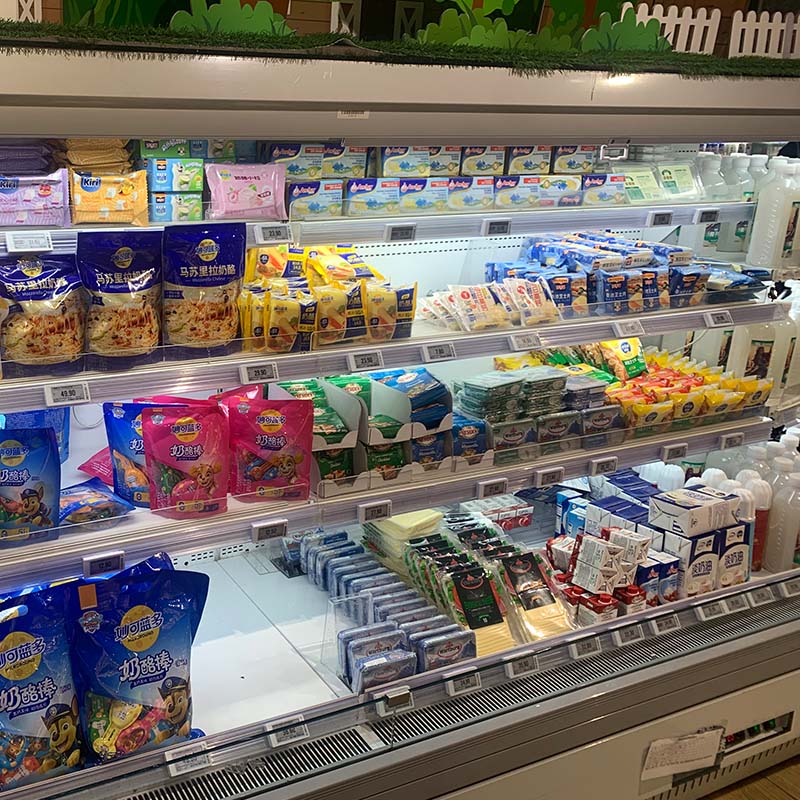
Price accuracy is fundamental to customer trust. Outdated or inconsistent shelf prices are a leading cause of customer dissatisfaction and lost sales. ESLs virtually eliminate this risk by ensuring that the price displayed on the shelf always matches the checkout system. This transparency builds trust and reduces the likelihood of disputes, returns, or negative reviews.
Beyond price, ESLs can display a wealth of additional information—such as product details, nutritional facts, stock status, or QR codes linking to further content. This empowers shoppers to make more informed decisions right at the shelf, increasing engagement and satisfaction. In an era where consumers expect personalized and interactive experiences, ESLs are a gateway to richer in-store communication.

Streamlining Store Operations
With labor costs on the rise, retailers are under pressure to do more with less. ESLs significantly reduce the time and resources required for price updates, freeing up staff to focus on higher-value tasks like customer service, merchandising, and store presentation. For multi-location chains, ESLs make it possible to roll out promotions or compliance changes instantly and uniformly, reducing operational complexity and risk.
Inventory management is another area where ESLs add value. When integrated with store systems, ESLs can display real-time stock levels, alert staff to low inventory, or even automate reordering processes. This not only improves on-shelf availability but also helps prevent overstocking and waste.
Sustainability and Brand Image
As consumers become increasingly eco-conscious, sustainability is a growing priority for brands. By replacing paper tags with digital labels, retailers can drastically reduce paper waste and the environmental impact associated with printing and disposing of thousands of tags each week. Many ESLs are designed with energy-efficient e-paper displays and long-lasting batteries, further supporting sustainability goals.
Adopting ESLs also positions retailers as innovators and leaders in technology adoption. Digital-forward stores tend to attract tech-savvy shoppers and strengthen the brand’s reputation for quality and progressiveness.
Expanding Applications Beyond Retail
Although ESLs are most commonly associated with supermarkets and retail chains, their application is rapidly expanding. Pharmacies, electronics stores, hardware outlets, and even libraries are embracing ESLs to manage complex product information and frequent price changes. In logistics and warehousing, digital labels are used for dynamic bin labeling, streamlining inventory picking and reducing errors.
Quick-service restaurants and cafeterias use ESLs to update menu offerings and prices in real time, while hospitals and laboratories deploy digital tags for asset tracking and information display. The versatility of ESL technology is unlocking efficiencies and new capabilities across many sectors.
Overcoming Implementation Challenges
While the benefits are clear, successful ESL adoption requires careful planning. Retailers must consider integration with existing point-of-sale and inventory systems, staff training, and the physical installation of labels. Partnering with experienced ESL providers ensures a smooth transition, ongoing support, and the ability to scale as needs evolve.
The Future of In-Store Digitalization
As digitization accelerates, ESLs will continue to evolve, integrating features such as NFC payments, shopper analytics, and interactive touchpoints. The possibility of linking ESLs with mobile apps, loyalty programs, and AI-driven pricing engines is already on the horizon.
In summary, electronic shelf labels are not just a modern replacement for paper tags—they are a powerful tool for strategic retail management. By embracing ESLs, retailers can boost efficiency, strengthen customer relationships, support sustainability, and stay ahead in a competitive marketplace. The path to a smarter, more agile store begins with digital innovation—and ESLs are a key step on that journey.
Tags: Electronic shelf labels 电子货架标签, ESL, ESL Manufacturer, ESL Manufacturer ESL 制造商
