In the fast-evolving world of retail and commercial management, Elektronske etikete polica (ESLS) have emerged as a transformative technology, revolutionizing how prices, product information, and promotions are managed and displayed. With the rise of digitalization, ESLs are no longer confined to traditional supermarkets—they are being adopted across a wide spectrum of industries and business environments. This article explores the diverse application scenarios of electronic shelf labels and the value they bring to various sectors.
1. Modern Retail Stores and Supermarkets
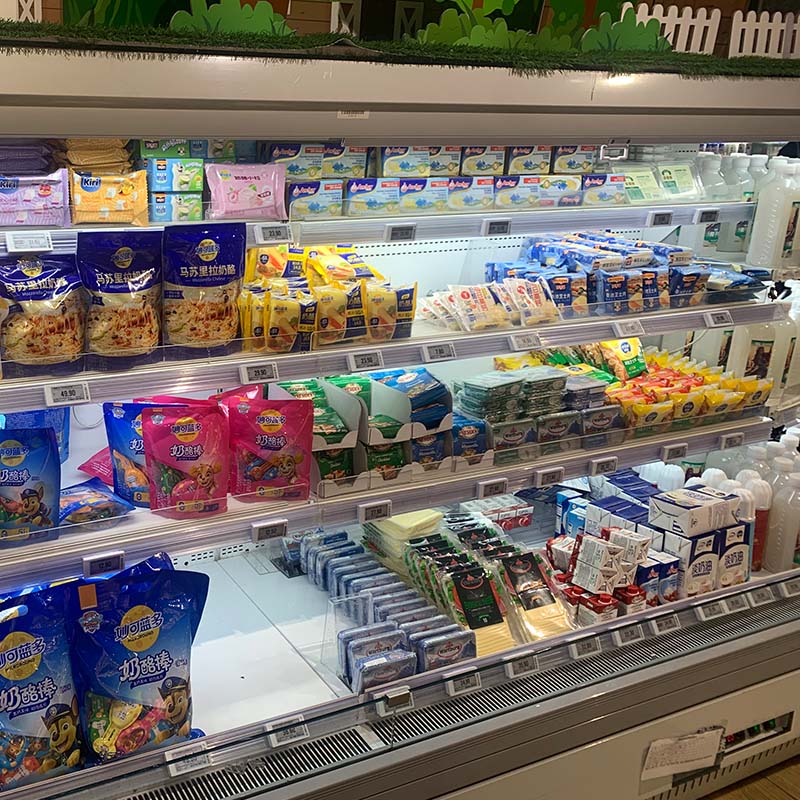
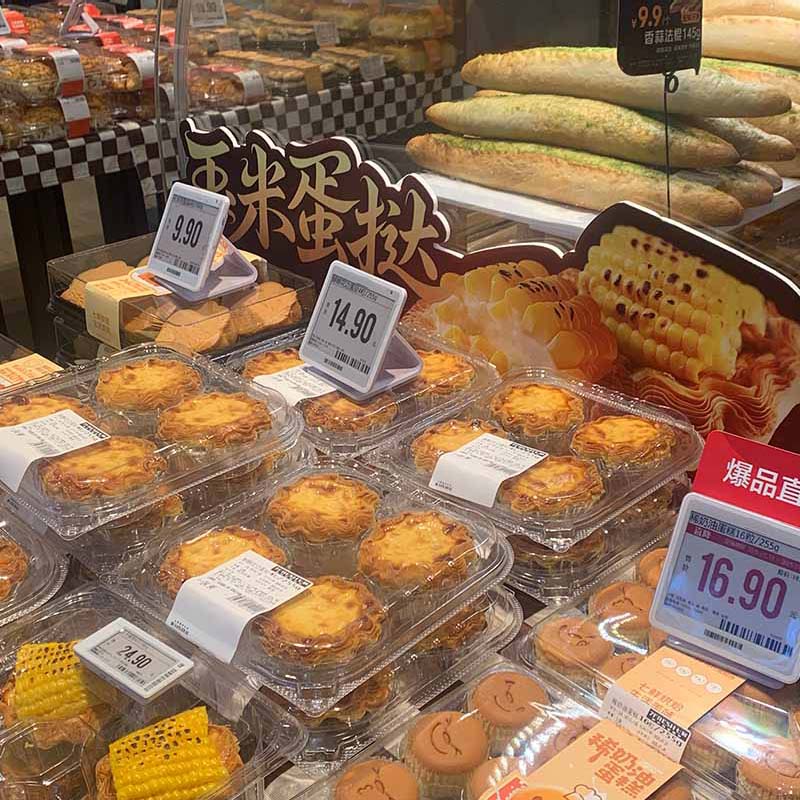
The most prominent and widespread use of ESLs is in supermarkets and grocery stores. Traditionally, price changes required manual labor, which was time-consuming, error-prone, and costly. ESLs automate this process, allowing retailers to update pricing and product information centrally and in real time. This ensures pricing accuracy, reduces labor costs, and enables dynamic pricing strategies, such as instant promotions or discounts based on inventory levels or market demand.
Moreover, ESLs can display more than just prices—they can show product specifications, nutritional information, QR codes for mobile shopping, and even stock availability. This enriches the shopping experience, builds customer trust, and supports omnichannel retail strategies.

2. Pharmacies and Healthcare Retail
Pharmacies and healthcare retailers face unique challenges when it comes to product labeling, such as compliance with regulations, managing expiration dates, and frequent price adjustments due to changes in supply or insurance coverage. ESLs provide an efficient solution by enabling automated updates and clear, legible displays. Pharmacists can ensure that all critical information—such as dosage, expiration, and special instructions—is always up to date, reducing the risk of human error and enhancing patient safety.
3. Electronics and Specialty Stores
In electronics, hardware, or specialty retail, products often have complex specifications and frequent price changes. ESLs can present detailed product features, technical parameters, warranty information, and real-time pricing. This is especially valuable for high-value items where transparency and up-to-date information influence purchasing decisions. Sales staff can focus more on customer service instead of manual label changes, improving efficiency and customer satisfaction.
4. Department Stores and Fashion Retail
Fashion and department stores are increasingly adopting ESLs to manage seasonal sales, flash promotions, and inventory updates. With ESLs, price markdowns and campaign launches can be executed instantly across multiple locations, ensuring consistency and agility. Interactive ESLs can also display sizes, color options, and promotional content, helping customers make informed choices and encouraging impulse purchases.
5. Convenience Stores and Gas Stations
Convenience stores and gas stations operate in fast-paced environments where product turnover is high and pricing must be competitive and flexible. ESLs allow for rapid price adjustments in response to market trends, time of day, or special events. Additionally, ESLs can be integrated with loyalty programs or contactless payment systems, enhancing the overall customer experience.
6. Warehouse Management and Logistics
While typically associated with front-end retail, ESLs are increasingly used in warehouses and distribution centers. Here, ESLs function as digital tags for inventory locations, helping staff quickly identify products, manage stock levels, and streamline order fulfillment. Real-time updates minimize picking errors and improve warehouse efficiency, especially in environments with frequent stock movements.
7. Hospitality and Food Services
In cafeterias, hotels, and restaurants, ESLs offer a modern way to present menus, daily specials, nutritional information, and pricing. This is particularly useful in buffet setups or self-service environments, where offerings change frequently. ESLs reduce the need for paper signs, support sustainability initiatives, and enhance the guest experience with clear, attractive displays.
8. DIY, Home Improvement, and Furniture Stores
Large stores with extensive product ranges, such as home improvement and furniture retailers, benefit greatly from ESLs. These stores can update prices for seasonal promotions, display product dimensions and features, and offer instant access to assembly instructions or video tutorials via QR codes. ESLs enhance operational efficiency and help customers make confident, informed purchasing decisions.
Conclusion
The versatility of electronic shelf labels is driving their adoption across an expanding array of industries. Beyond the core benefit of instant, error-free pricing, ESLs support digital transformation by improving operational efficiency, supporting data-driven marketing, and enhancing the overall customer experience. As technology continues to advance, ESLs will become an integral part of smart retail, logistics, and service environments, offering new possibilities for innovation and value creation.
Businesses seeking to stay ahead in a competitive market should consider the broad potential of ESLs—not just as a tool for price display, but as a platform for smarter, more connected operations.
E-Mail:info@armorlighting.com/Lisa@armorlighting.com
TEL:+86 13672469002
Oznake: Electronic shelf labels 电子货架标签, ESL ESL 的, ESL Manufacturer ESL 制造商
